 |
| Smith and Wesson M&P Shield Itsy Bitsy |
 |
| Smith and Wesson Bodyguard .380 Teeny Weeny |
 |
| Obligatory Tourist Shot |
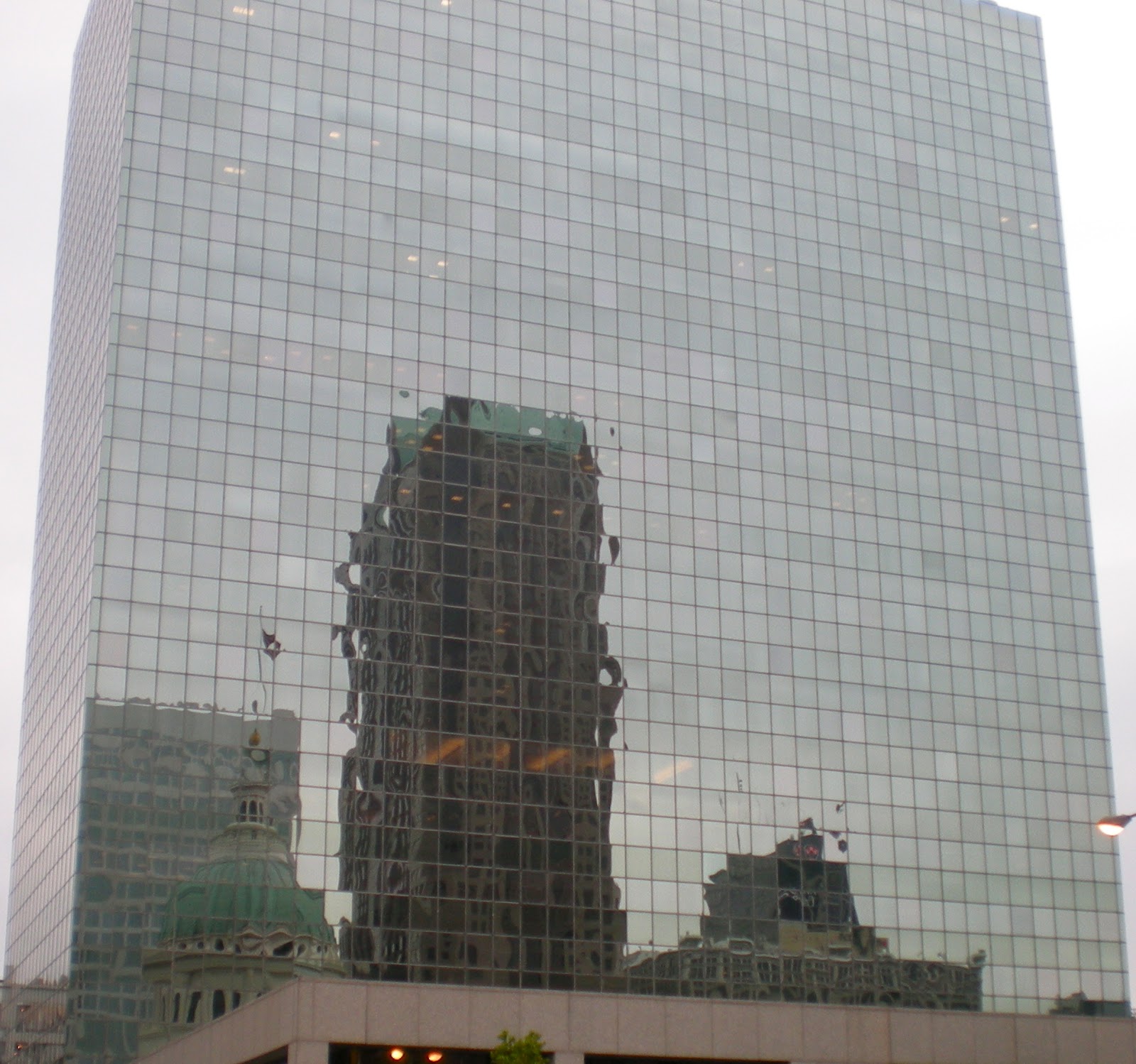 |
| This image just tripped my ‘huh’ switch |





|
| Smith and Wesson M&P Shield Itsy Bitsy |
|
| Smith and Wesson Bodyguard .380 Teeny Weeny |
|
| Obligatory Tourist Shot |
|
| This image just tripped my ‘huh’ switch |
Posted by daddybear71 on April 18, 2012
https://daddybearsden.com/2012/04/18/nra-annual-meeting-2012-pictures/
Over the weekend, I stayed at the Millennium Hotel in Saint Louis. This is a fairly modern hotel in downtown, close to the football and baseball stadiums, the convention center, and St. Louis’s riverfront. Here are my thoughts on the hotel and my stay there:
Pro’s
Con’s
Overall, I’d say that the Millennium would be a good place to stay if you are coming into town for a one night stay, such as to see a baseball or football game, and just want a nice, safe, clean hotel to sleep in after leaving the stadium. If you are a business traveller and will be in town for several days, you might get better value elsewhere.
Posted by daddybear71 on April 17, 2012
https://daddybearsden.com/2012/04/17/review-millennium-hotel-saint-louis/
Posted by daddybear71 on April 17, 2012
https://daddybearsden.com/2012/04/17/news-roundup-7/
O, pardon me, thou bleeding piece of earth,
That I am meek and gentle with these butchers! — Julius Caesar, Act III, Scene I
My Take – Sometimes you have to suppress the urge to ‘cry havoc and let slip the dogs of war’ in order to achieve a more important goal. Antony knew that if he wasn’t smart, he’d get treated worse than Caesar, so he bided his time and won out in the end. When confronted with an adversary that has a momentary advantage over you, be smart, be patient, and look for ways to turn the tables.
Posted by daddybear71 on April 17, 2012
https://daddybearsden.com/2012/04/17/30-days-of-shakespeare-day-13/
There will be more posts on individual things that caught my attention over the next few weeks, but here are some thoughts on the last day or so of the Annual Meeting:
Posted by daddybear71 on April 16, 2012
https://daddybearsden.com/2012/04/16/nra-annual-meeting-2012-final-thoughts/
When he is best, he is a little worse than a man; and when he is worst, he is little better than a beast. — The Merchant of Venice, Act I, Scene II
My Take – I wasn’t aware that the Bard had the ability to look forward to our time and see me in action.
Posted by daddybear71 on April 16, 2012
https://daddybearsden.com/2012/04/16/30-days-of-shakespeare-day-12/
The other night, while eating dinner, a bunch of gun geeks came up with a bit of a game. We came up with indicators that you might be a ‘gun nut’.
Here’s what I can remember* of the indicators and a couple I thought of later:
Posted by daddybear71 on April 16, 2012
https://daddybearsden.com/2012/04/16/fun-gunnie-game/
This day is call’d — the feast of Crispian:
He that outlives this day, and comes safe home,
Will stand a tip-toe when this day is nam’d,
And rouse him at the name of Crispian.
He that outlives this day, and sees old age,
Will yearly on the vigil feast his friends,
And say, “To-morrow is Saint Crispian;”
Then will he strip his sleeve, and show his scars,
And say, “These wounds I had on Crispin’s day.”
Old men forget; yet all shall be forgot,
But he’ll remember, with advantages,
What feats he did that day. Then shall our names,
Familiar in his mouth as household words, —
Harry the King, Bedford, and Exeter,
Warwick and Talbot, Salisbury and Gloucester,
Be in their flowing cups freshly remember’d.
This story shall the good man teach his son;
And Crispin Crispian shall ne’er go by
From this day to the ending of the world,
But we in it shall be remember’d, —
We few, we happy few, we band of brothers.
For he to-day that sheds his blood with me,
Shall be my brother; be he ne’er so vile,
This day shall gentle his condition:
And gentlemen in England, now a-bed,
Shall think themselves accurs’d, they were not here,
And hold their manhoods cheap, whiles any speaks,
That fought with us upon Saint Crispin’s day. — Henry V, Act III, Scene III
Posted by daddybear71 on April 15, 2012
https://daddybearsden.com/2012/04/15/30-days-of-shakespeare-day-11/
Posted by daddybear71 on April 14, 2012
https://daddybearsden.com/2012/04/14/nra-annual-meeting-2012-day-2-thoughts/
Mitt Romney gave a speech to the NRA Annual Meeting yesterday. I watched it on the live feed, and then re-watched it on-line today to try to get a good idea of where he stands on the Second Amendment and other rights.
Posted by daddybear71 on April 14, 2012
https://daddybearsden.com/2012/04/14/thoughts-on-mitt-romneys-speech-nra-annual-meeting-2012/


